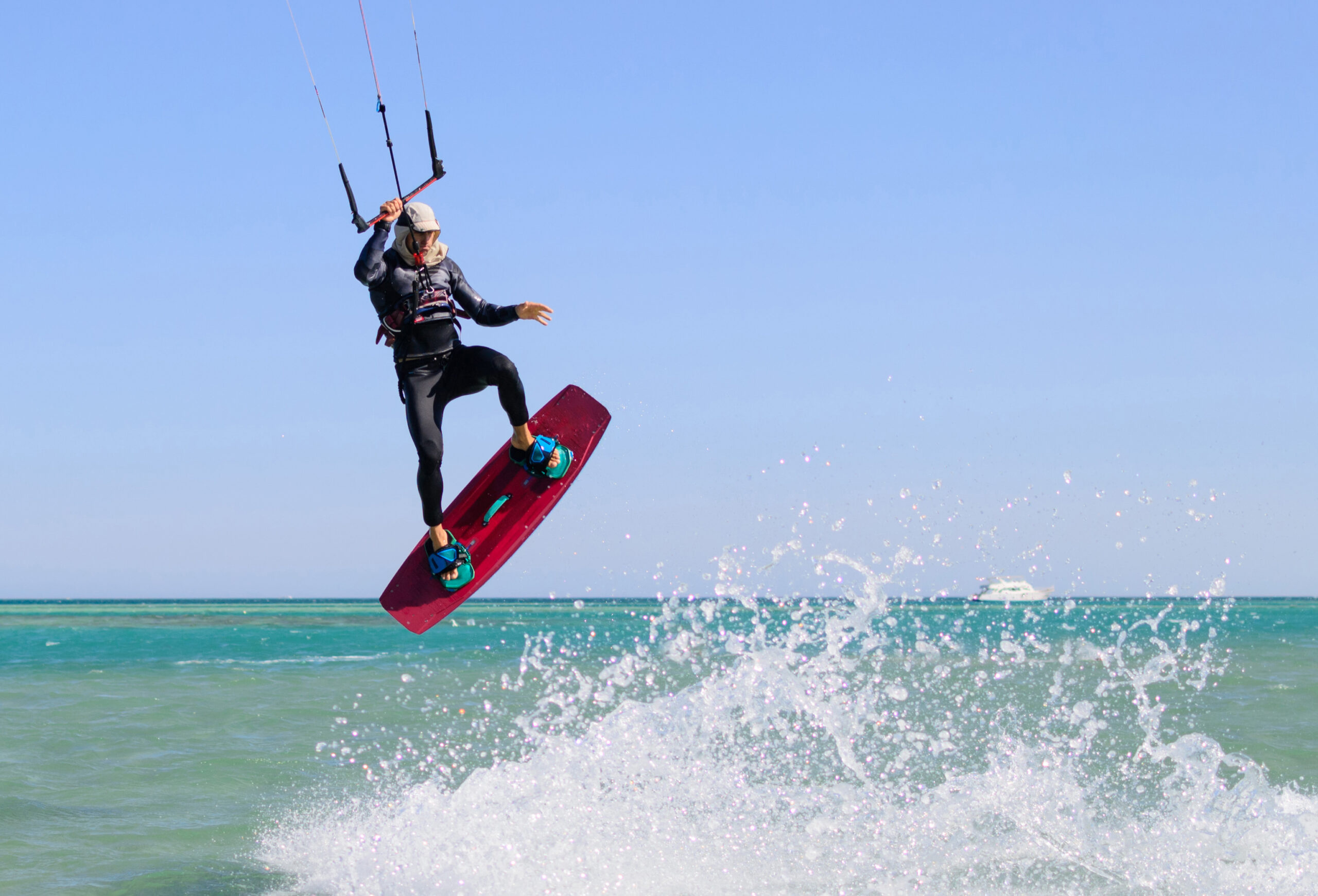
Making a choice between the Flysurfer Speed 5 and Soul kites can be tricky. Both kites are high-quality and designed with distinct features, accommodating varied kiteboarding styles. This article explores their key differences, relative similarities, suitability for different riding styles, and additional factors that can help you make an informed decision.
Key Differences Between Flysurfer Speed 5 and Soul
1. Purpose and Target Audience
- Flysurfer Speed 5: Flysurfer Speed5
- A versatile, high-performance kite suitable for freeride, boosting, hydrofoiling, and racing.
- Ideal for intermediate to advanced riders seeking agility, speed, and raw power.
- Well-suited for individuals aiming for a dynamic kiteboarding experience across multiple disciplines.
- Flysurfer Soul: Flysurfer Soul
- Designed to deliver a smooth and stable performance, particularly for hydrofoiling in light winds.
- Perfect for beginners and intermediate riders interested in hydrofoiling or relaxed light wind sessions.
- Prioritizes stability and easy control over aggressive performance.
Their differing audience and intent significantly affect their technical design, discussed further below.
2. Aspect Ratio and Flight Characteristics
- Flysurfer Speed 5: Flysurfer Speed5
- Boasts a high aspect ratio (AR 6.15), enhancing:
- Faster flight speeds and efficient upwind performance.
- Higher lifting capacity suitable for boosting.
- The trade-off: slightly reduced stability in turbulent winds compared to lower-aspect-ratio kites.
- Boasts a high aspect ratio (AR 6.15), enhancing:
- Flysurfer Soul: Flysurfer Soul
- Constructed with a mid-aspect ratio (AR 5.5), focusing on:
- Enhanced stability in gusty or light wind conditions.
- Smoother, more predictable loops and turns.
- Its forgiving nature makes it exceptionally efficient for learning hydrofoiling or relaxed kiteboarding.
- Constructed with a mid-aspect ratio (AR 5.5), focusing on:
How these kites feel during flight is also a key consideration. We look into this in the next section.
3. Power Delivery and Steering
- Flysurfer Speed 5: Flysurfer Speed5
- Offers raw and energetic power delivery providing immediate, responsive feedback to the rider.
- Agile steering allows for quick loops, favored for tricks and advanced stunts.
- Requires more input from the user, which might prove demanding for less experienced riders.
- Flysurfer Soul: Flysurfer Soul
- Ensures gentle, continuous power delivery for smooth control.
- Steering might feel heavy but provides consistent input, making it forgiving for beginners.
- More suited for relaxed sessions, with less intensity compared to Speed 5.
Next, let’s examine the wind range and ease of relaunch of these kites.
4. Wind Range and Riding Focus
- Flysurfer Speed 5: Flysurfer Speed5
- Works across a wide wind spectrum, excelling in both light and robust wind conditions.
- Thrives in boosting and handling big twin tips or hydrofoils in medium to high winds.
- Relaunching after crashes can be challenging, particularly in waves.
- Flysurfer Soul: Flysurfer Soul
- Specialized for ultra-light winds (~10-14 knots), maintaining exceptional flight stability.
- Ideal for hydrofoiling, particularly in suboptimal light wind conditions.
- Provides an easy relaunch even for less experienced riders in low wind settings.
For those unfamiliar with the details of equipment specifications in sports, it’s often useful to consult reliable sources or forums such as this to ensure up-to-date and practical advice.
Additional Technical Details: Materials, Bridle Systems, Inflation/Deflation and Drainage Systems
While both kites utilize high-quality materials in their construction and feature bridle systems designed for optimal performance, specific differences are worth noting:
- Materials and Construction: The Flysurfer Speed 5 Flysurfer Speed5 uses DLX+ kite cloth known for lightweight durability, combined with Rigid Foil Technology and Double Cordwise Ballooning for better stability. The Flysurfer Soul Flysurfer Soul, on the other hand, features XT-Light fabric which is ultra-light but strong, with a soft and hard finish coating for increased durability.
- Bridle Systems and Tuning: While the Flysurfer Speed 5’s Flysurfer Speed5 bridle lines are thinner and unsleeved to reduce drag (which may require occasional adjustments), the Flysurfer Soul Flysurfer Soul features a Dyneema and Kevlar bridle line mix that reduces frequent tuning.
- Inflation and Deflation Systems: While the Flysurfer Speed 5 Flysurfer Speed5 has quick inflation, the Flysurfer Soul Flysurfer Soul excels with an increased number of crossports, allowing faster launching and packing.
- Drainage Systems: Both kites feature advanced systems. The Flysurfer Speed 5 Flysurfer Speed5 has an Automatic Drainage System integrated into the trailing edge, while the Flysurfer Soul Flysurfer Soul comes with a drainage system exit designed at a 45° angle on the wingtip.
User Feedback & Reviews: Real-World Perspectives
Flysurfer Speed 5:
- Strengths: High praise for versatility, great for boosting and speed-oriented disciplines. Advanced users appreciate its raw power and dynamic steering.
- Weaknesses: Steeper learning curve; challenging relaunch in technical situations. Steering input might be tiring for some riders.
Flysurfer Soul:
- Strengths: Celebrated for unparalleled stability even in inconsistent or light winds. Simplifies hydrofoil learning with easy relaunch and control. Ideal “first foil” for beginners or intermediate hydrofoilers.
- Weaknesses: Focused performance might seem less appealing to riders looking for extreme agility or high-powered tricks. Some users report heavy steering inputs during turns.
User Experience and Learning Curve
Both the Flysurfer Speed 5 and the Flysurfer Soul are designed to cater to a range of skill levels from beginners to advanced riders.
- Flysurfer Soul: The Soul delivers when it comes to beginner-friendly attributes, especially with hydrofoiling. Notably, it offers easy relaunch and smooth power delivery.
- Flysurfer Speed 5: The Speed 5 appeals to the rush-seekers. It offers raw power, dynamic steering, and high-performance capabilities that advanced kiteboarders might favor.
Cost and Value
The price of both kites varies based on size and location but considering their niche strengths, they offer great value.
- Flysurfer Speed 5: Its versatility across disciplines makes it a valuable investment for those seeking a one-kite-all solution.
- Flysurfer Soul: Demonstrating superior performance in light winds, it is a cost-effective choice for riders who frequently kiteboard under such conditions.
Conclusion: Which Kite Should You Choose?
- Choose Flysurfer Speed 5 If:
- You’re an experienced kiteboarder looking for high power and versatility across styles.
- You’re attracted to agility, responsiveness, and boosting potential.
- More demanding steering and handling don’t faze you.
- Choose Flysurfer Soul If:
- You’re a beginner to intermediate hydrofoiler looking for an easy, forgiving kite.
- Your priority is a stable kite for light wind conditions with smooth power delivery.
- A relaxed, beginner-friendly experience with consistent control is what you prefer.
Ultimately, your decision between the Speed 5 and Soul should align with your skill level, riding style, and kiteboarding requirements. Understanding these factors will help you make the best equipment choice for your kiteboarding progression.